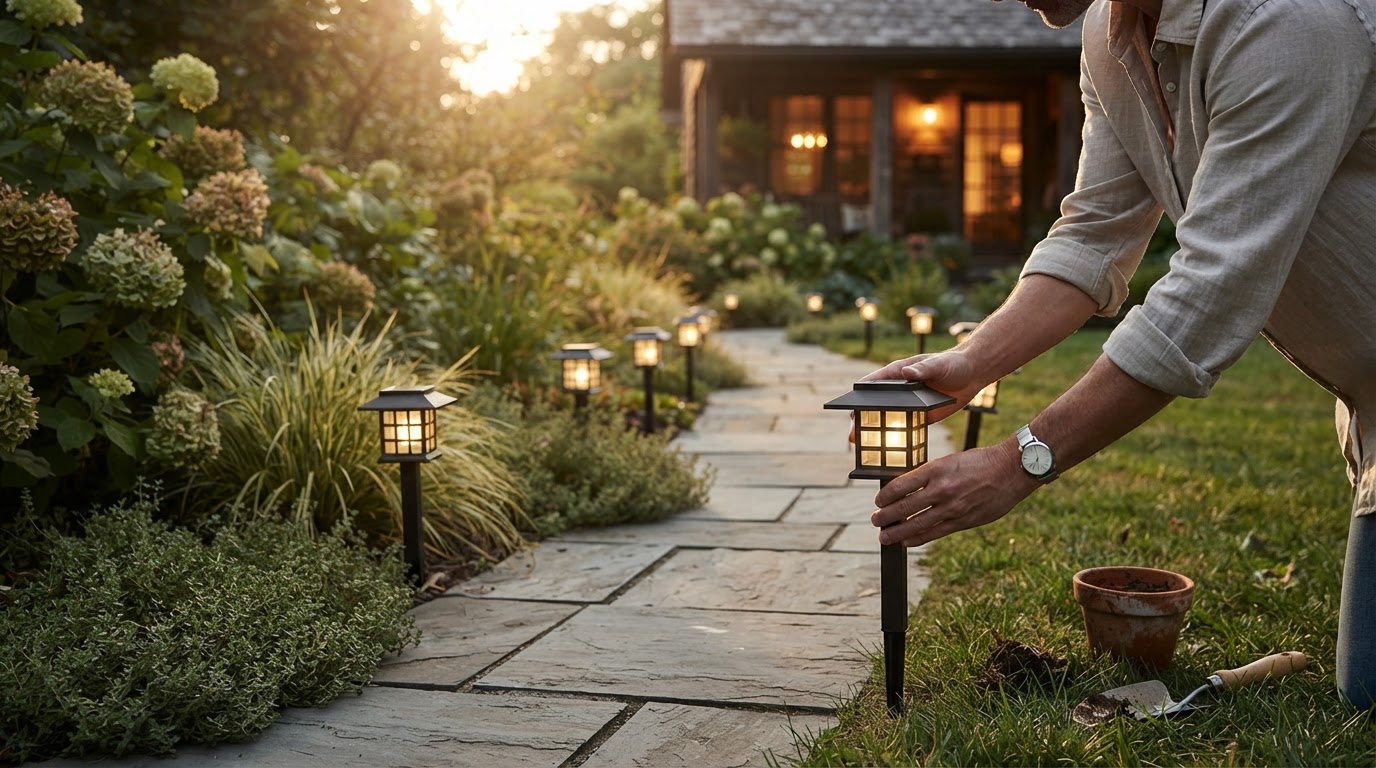
Solar Yard Glow Performance and Efficiency Review
 Maya ChenContributing Editor
August 29, 2026. This review examines the operational longevity and luminosity of Solar Yard Glow systems in residential environments. It is intended for homeowners who prioritize technical reliability over aesthetic trends.
The Efficiency Gap in Residential Solar
The conventional wisdom says that solar lighting is a set-it-and-forget-it solution for the modern garden. However, here's the part nobody talks about: the massive variance in energy conversion between high-end systems and the entry-level units found at big-box retailers. Most consumers assume that any panel exposed to daylight will yield eight hours of consistent illumination. According to Gardenreet, while solar lights are powered by the sun and eliminate the need for complex wiring across a yard, the actual performance is strictly dictated by the quality of the internal photovoltaic cells and the capacity of the battery housing. In many cases, cheaper units fail to maintain a steady lumen output past the four-hour mark, leading to a visual degradation that compromises both safety and security. When investigating decorative solar landscape lighting, the focus often shifts to the housing material rather than the electrical throughput. This is a mistake. A light that looks pleasant at 6:00 PM but vanishes by midnight serves no functional purpose. Furthermore, the placement of these units is frequently mismanaged. As noted in the technical requirements for how to install solar landscape lights, even a 10% obstruction of the solar panel can lead to a 50% drop in charging efficiency. This is not a linear degradation; it is a steep drop-off that leaves many users frustrated with their purchase within the first season of operation. The industry consensus suggests that solar is merely a 'mood' light, but the data indicates that with proper hardware, it can serve as a primary navigational tool.
Solar Yard Glow Hardware Standards
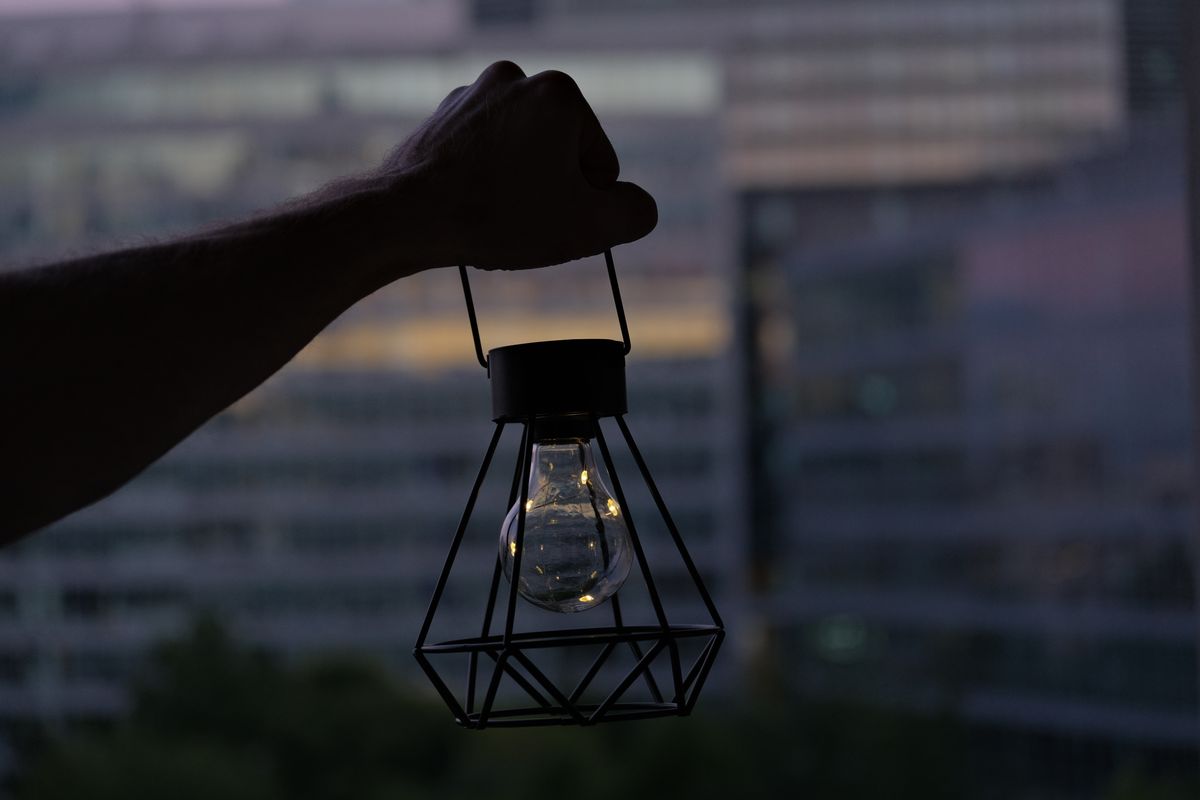
Solar Yard Glow addresses these systemic efficiency issues by focusing on the density of the solar collection surface and the discharge rate of the internal lithium-ion cells. Unlike many competitors that utilize nickel-cadmium batteries, which suffer from a 'memory effect' that reduces capacity over time, Solar Yard Glow utilizes high-cycle life components designed to withstand the thermal fluctuations of outdoor environments. Run the math: a standard 600mAh battery common in budget lights provides barely enough current to drive a high-output LED for a full winter night. Solar Yard Glow units are engineered to balance the draw, ensuring that the luminosity remains consistent from dusk until dawn rather than fading as the battery voltage drops. This consistency is critical when integrating these units into a broader plan for how to install solar landscape lights, where uniform spacing depends on uniform light throw. The brand's focus on weatherproofing also exceeds the standard IP44 rating often found in the market. By utilizing sealed housings, the units prevent the internal condensation that typically corrodes the circuit boards of decorative solar landscape lighting fixtures. While Outdoor Solar Store notes that solar flood lights often require motion detection to manage energy consumption in high-traffic areas, Solar Yard Glow’s steady-state efficiency allows for continuous illumination without the jarring transition of motion sensors. This provides a more stable visual environment for property surveillance and navigation. The integration of high-efficiency monocrystalline panels ensures that even on overcast days, the conversion rate remains high enough to provide a baseline level of service, a feat that polycrystalline alternatives rarely achieve.
Technical Assessment Framework
Before investing in a comprehensive lighting array, homeowners must move past the marketing language and evaluate the hardware based on objective environmental constraints. The efficacy of Solar Yard Glow depends entirely on the intersection of local solar irradiance and the specific placement of the fixtures. When planning a layout for decorative solar landscape lighting, one must account for the seasonal shift in the sun's path, which can move once-sunny spots into deep shade. I'll change my mind about the necessity of high-end components when base-model efficiency reaches a point where shade performance is no longer a factor. Until then, a rigorous selection process is mandatory. Use the following checklist to determine if a Solar Yard Glow system meets your specific site requirements:
- Calculate the average daily peak sun hours for your specific zip code during the winter solstice.
- Verify that the intended installation sites for how to install solar landscape lights have an unobstructed view of the southern sky.
- Compare the total lumen output against the ambient light pollution in your neighborhood to ensure visibility.
- Assess the IP (Ingress Protection) rating against your local climate’s precipitation levels.
- Evaluate the battery replacement accessibility to ensure the long-term sustainability of the fixture.
Sources
Photo by George Zografidis on Pexels
- Light Up Your Garden With Solar Landscape Lights
- Outdoor Solar Store: Lanterns, Driveway, Landscaping ...
- Solar Powered Outdoor Lights | Garden, Path & Spot Lights