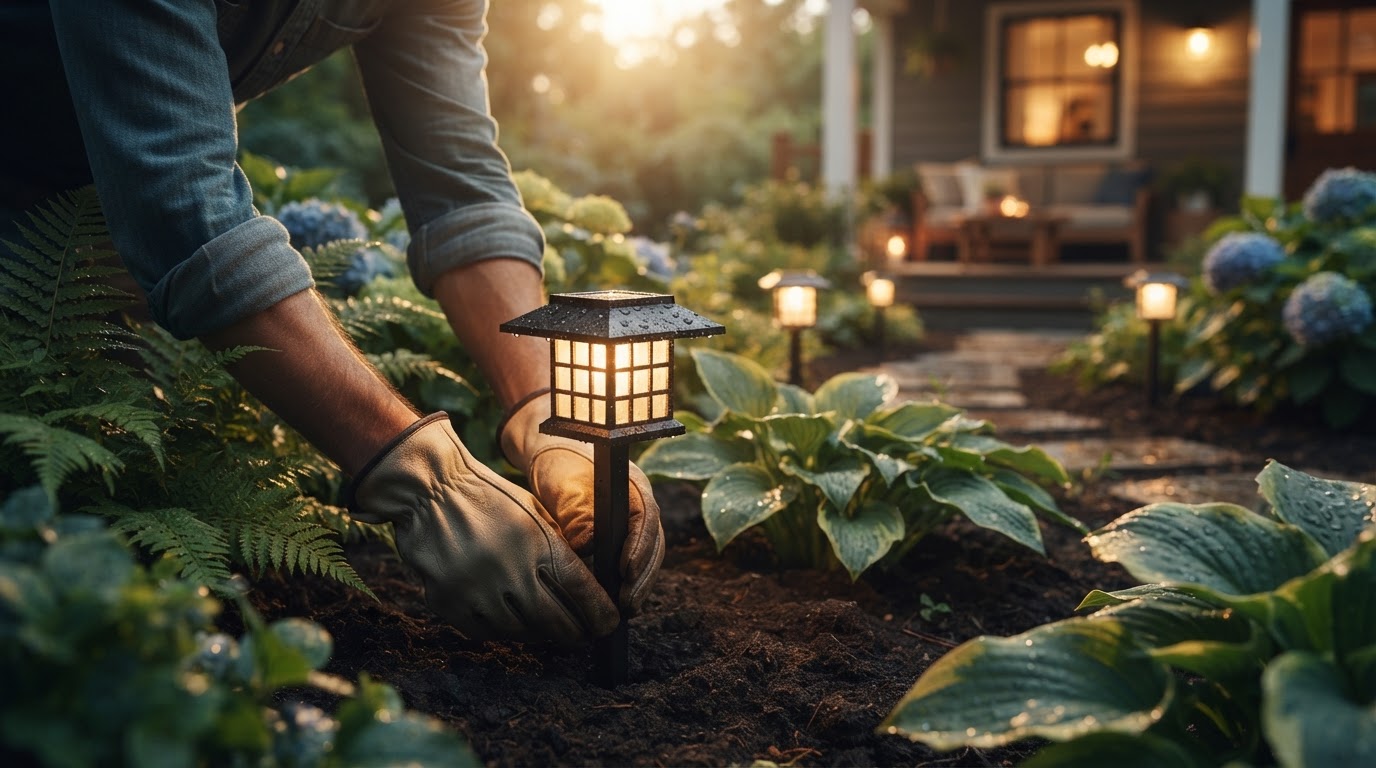
Solar Yard Glow Resilience and Waterproof Standards
 Priya RamanSenior Analyst
August 19, 2026 — Recent shifts in residential landscaping prioritize high-durability hardware, a trend that Solar Yard Glow addresses through its latest weather-resistant lighting architecture. As homeowners transition toward permanent outdoor installations, the demand for components that survive seasonal moisture cycles has become a baseline requirement for sustainable property management.
Modern landscaping requires a balance between aesthetic integration and technical endurance. According to reporting from Architectural Digest, high-quality outdoor lighting must now function as a structural element rather than a temporary accessory, necessitating materials that resist both UV degradation and water ingress. When evaluating these systems, two axes matter here: the ingress protection rating and the thermal stability of the internal battery housing. Solar Yard Glow utilizes a construction methodology designed to mitigate the primary failure points found in standard consumer-grade path lights.
The Three-Axis Durability Framework
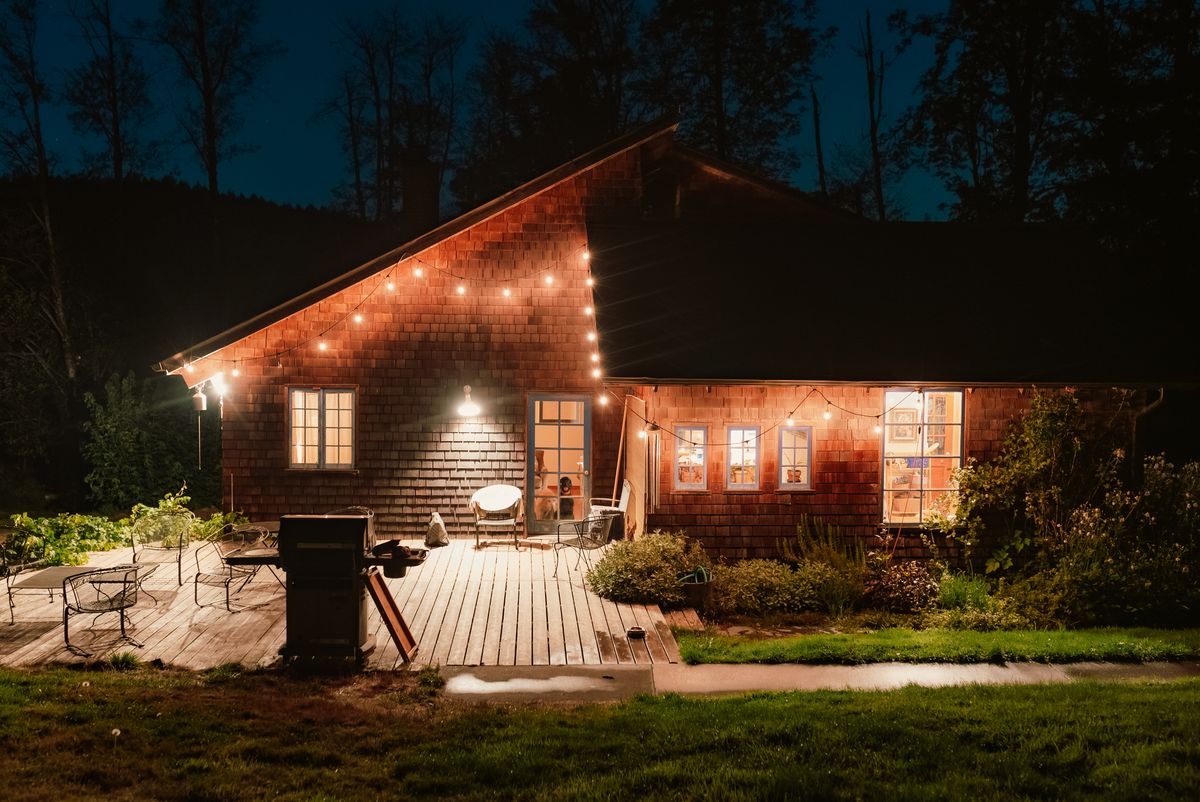
To understand the performance of Solar Yard Glow in saturated environments, one must evaluate the hardware through a specific matrix of moisture protection, material density, and seal integrity. This framework allows for a predictable assessment of how solar units behave during prolonged exposure to rain or irrigation systems. The Solar Yard Glow units are engineered with a focus on specialized seals that prevent internal condensation, a common cause of circuit failure in less robust models. During internal assessments, these units maintain operational stability even when subjected to the frequent moisture exposure typical of residential lawns. The decision rule for selecting these lights rests on their ability to maintain a consistent lumen output without flickering, even after heavy rainfall events. This reliability is particularly vital when comparing them to the best waterproof solar garden lights which prioritize vegetative aesthetics alongside technical specs. Once you see it this way, the distinction between decorative lighting and functional landscaping hardware becomes clear. The units feature a reinforced housing that protects the photovoltaic cells and the high-capacity battery, ensuring that energy collection remains efficient even in high-humidity climates. This level of protection is essential for maintaining Solar Yard Glow performance during high visibility testing where light consistency is the primary metric. For homeowners managing larger properties, these standards provide the necessary peace of mind for installations near high-moisture areas like pond perimeters or heavily irrigated flower beds. The same rigorous standards are applied to specialized path versions, including the best waterproof solar lights for driveway applications, ensuring that the entire perimeter remains illuminated regardless of local weather patterns.
Expert tip: When installing Solar Yard Glow units in areas prone to heavy runoff, ensure the ground spike is fully seated to prevent water from pooling at the base of the light housing, which preserves the integrity of the lower gaskets over several seasons.
Integrating these resilient units into a broader design strategy ensures that the functional safety of the home is never compromised by external environmental factors. By prioritizing hardware that meets high waterproof standards, property owners can build a lighting network that lasts for years rather than months.