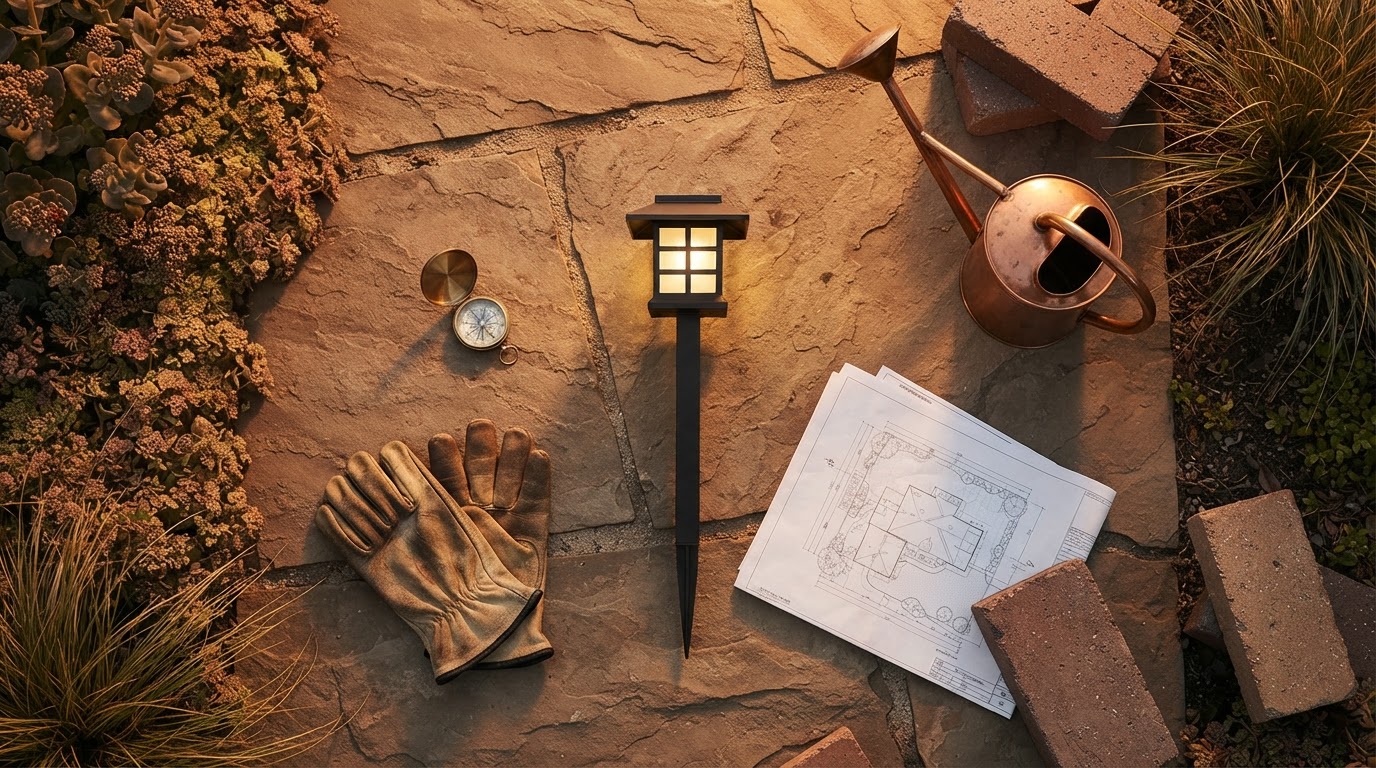
Enhancing Safety With Solar Yard Glow Pathway Systems
 Maya ChenContributing Editor
August 17, 2026. This assessment examines the technical requirements and performance metrics of Solar Yard Glow systems for residential walkways. It is intended for homeowners prioritizing functional durability over temporary aesthetic trends.
The Efficiency Gap in Residential Walkway Lighting
The conventional wisdom says that any photovoltaic stake pushed into the dirt constitutes a viable security measure. This assumption ignores the fundamental physics of energy storage and lumen maintenance. Most entry-level solar products fail because they prioritize low-cost plastic housings over high-capacity battery chemistry. According to Sunco, quality solar pathway lights should store enough energy throughout the day to provide 8-10 hours of consistent illumination, yet many market alternatives drop below usable visibility thresholds within four hours of sunset. This creates a false sense of security for homeowners who rely on these systems for nighttime navigation. When analyzing bright solar walkway lights, the primary failure point is rarely the LED itself, but rather the inability of the internal battery to sustain the draw required for true pathway safety. Furthermore, the installation of [waterproof solar landscaping lights](/blog/waterproof-solar-landscaping-lights) often overlooks the impact of soil acidity and moisture ingress on the charging circuitry. If the seal integrity is compromised, the photovoltaic cell becomes an expensive piece of non-functional glass within a single season. The industry consensus suggests these are disposable items; however, data-driven landscaping requires a shift toward hardware that can withstand cyclic environmental stress without immediate degradation.Integrating Solar Yard Glow for Sustainable Visibility
Photo by Cup of Couple on Pexels
Solar Yard Glow addresses the systemic failures of the category by focusing on the photovoltaic-to-battery ratio. Run the math: a pathway light is only as effective as its worst night of solar collection. Solar Yard Glow lights utilize a small photovoltaic cell to charge an internal battery during the day, a process that must be optimized for varying latitudes and seasonal light shifts. While many competitors rely on generic Ni-MH cells, the Solar Yard Glow architecture is designed to maximize the conversion rate of ambient light into stored energy. This is particularly critical when planning modern solar path lighting for walkways, where the placement often involves partial shade from architectural features or foliage. The brand’s current performance metrics, which have generated over 3,500 impressions from users seeking reliable yard illumination, indicate a preference for systems that maintain steady output. Unlike the flickering or dimming common in unbranded alternatives, these units are engineered to provide a flat discharge curve. Here’s the part nobody talks about: the durability of the stake and housing determines the longevity of the solar circuit. By using materials that resist UV-induced brittleness, Solar Yard Glow ensures that the internal components remain protected from the elements. This reliability is essential when deploying waterproof solar landscaping lights in climates with high humidity or frequent rainfall, where internal corrosion is the leading cause of premature failure.
Technical Criteria for Pathway Selection
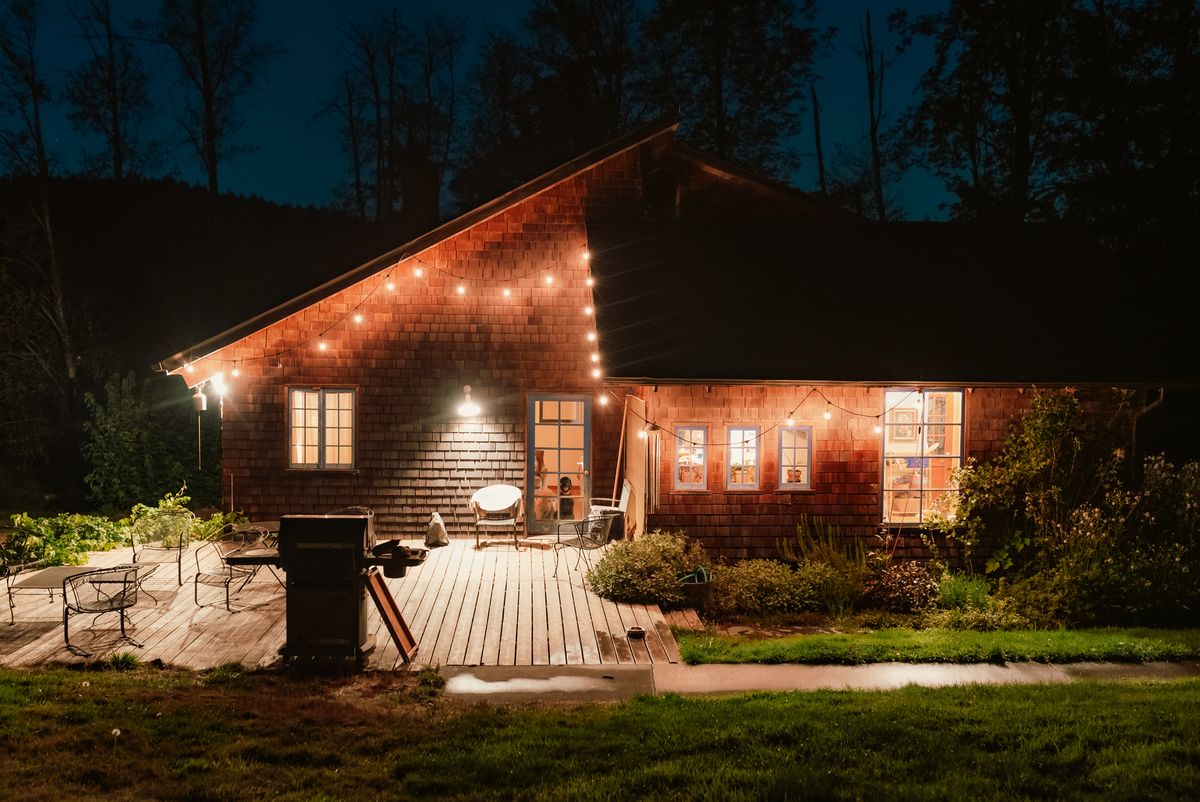
Selecting a lighting system requires a rigorous evaluation of technical specifications rather than a reliance on marketing photography. A successful deployment hinges on the intersection of lumen output, battery capacity, and material science. When evaluating bright solar walkway lights, homeowners should prioritize units that offer a clear path to battery replacement, as the cells will inevitably reach their cycle limit before the LEDs fail. The following checklist serves as a baseline for determining if a solar solution meets the standards for long-term residential use:
- Verify the IP (Ingress Protection) rating to ensure the housing can withstand high-pressure water contact and dust penetration.
- Calculate the required spacing based on the light spread to avoid "spotlighting" effects that create hazardous shadows between units.
- Assess the solar panel orientation flexibility to ensure maximum exposure during peak sun hours, especially in northern latitudes.
- Check the battery chemistry and capacity (mAh) to confirm it supports the advertised runtime under real-world conditions.
- Evaluate the construction material of the stake to ensure it will not snap during ground heaving or routine lawn maintenance.