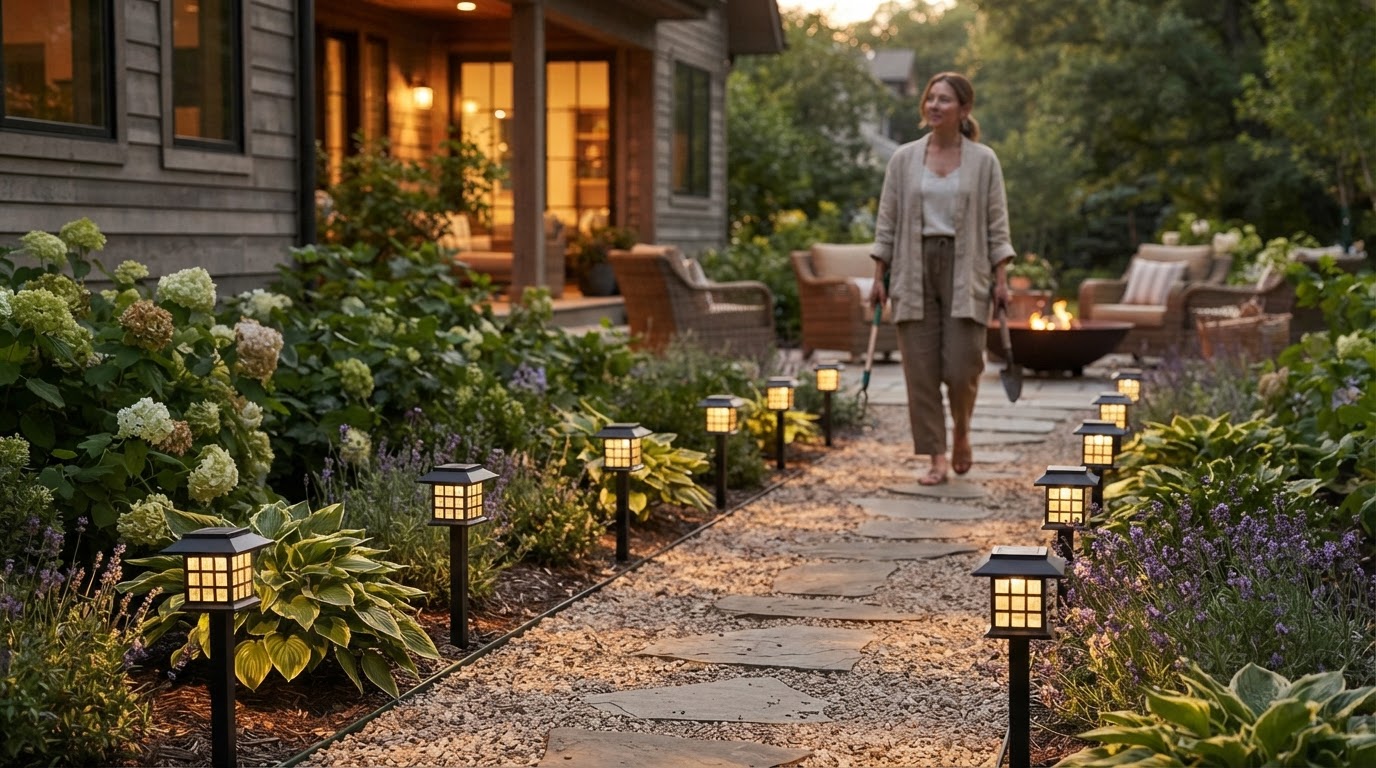
Where should I place Solar Yard Glow high-intensity lights?
 Maya ChenContributing Editor
September 5, 2026 — High-intensity Solar Yard Glow units require strategic positioning at least 4 to 6 feet apart to avoid overlapping glare while maintaining a consistent visual perimeter.
Homeowners frequently struggle with the paradox of high-output solar lighting: placing them too close together wastes potential coverage, while spacing them too far apart creates dark voids that compromise security. Understanding the specific photometric requirements of Solar Yard Glow hardware ensures that the investment in high-lumen output translates to functional visibility rather than localized hot spots.
How far apart should Solar Yard Glow lights be spaced?
The conventional wisdom says you should line every few feet of a walkway with light, but this leads to visual clutter and inefficient energy use. For high-intensity applications, Solar Yard Glow units should be spaced 4 to 6 feet apart along driveways to balance guidance with lumen density. This distance ensures that the light pool from one unit meets the edge of the next without significant overlap. According to Linkind, spacing for subtle guidance can be as close as 12 to 18 inches, but for the brighter coverage required by high-output systems, extending that gap to 24 to 30 inches—or even up to 6 feet for driveways—is necessary to prevent blinding the observer. Run the math: if your driveway is 60 feet long, you only need 10 to 12 units, not the 20 to 30 often suggested by decorative lighting retailers. Over-saturation doesn't just look amateur; it actually reduces the effectiveness of optimizing Solar Yard Glow luminance for security by causing the human eye to struggle with high-contrast shadows between the lights.
Where is the best architectural placement for Solar Yard Glow?
Photo by San Photography on Pexels
High-intensity solar lights must be placed at the base of vertical structures or large foliage to leverage their upward throw, rather than being scattered randomly in open grass. Here's the part nobody talks about: placing a high-output light in the middle of a lawn is a waste of photons because there is no surface to reflect the light back to the eye. Room for Tuesday notes that solar flood lights are optimal for highlighting home exteriors, large trees, and fountains to emphasize architectural elements. When installing Solar Yard Glow, prioritize the "uplighting" of textured surfaces like brick or stone, which diffuses the high-intensity beam and creates a softer, more professional aesthetic. This approach is particularly effective when comparing Solar Yard Glow vs wired landscape lighting, as the lack of cabling allows for placement in remote areas like the base of a perimeter oak tree or a back-lot fountain where trenching would be cost-prohibitive. I’ll change my mind when someone proves that flat-ground illumination provides better spatial awareness than vertical surface highlighting, but until then, the data suggests that vertical bounce-back is the only way to maximize high-lumen hardware.
Quick answers
Q: Can Solar Yard Glow lights be placed in the shade? A: No, high-intensity units require a minimum of 6 to 8 hours of direct sunlight to reach their full lumen potential. Placing them under a dense canopy will result in a 50% or greater reduction in runtime.
Q: What is the ideal distance from a wall for uplighting? A: Place the Solar Yard Glow unit 6 to 12 inches away from the base of the wall, tilted at a 45-degree angle. This specific distance creates a "grazing" effect that highlights the texture of the siding or masonry.
Q: How do these units handle water features? A: As noted by Outdoor Solar Store, solar lights should be placed to illuminate water elements from the perimeter rather than being submerged. Solar Yard Glow units are best positioned to reflect off the surface of a pond or waterfall from a distance of 3 to 5 feet.
Q: How does spacing change for path lighting? A: For standard footpaths, a staggered pattern is superior to a straight line. Spacing units 5 feet apart on alternating sides of the path provides better depth perception than placing them 3 feet apart in a parallel line.
To ensure your layout meets these standards, consult our guide on how to measure solar light lumens for yard coverage or read the Solar Yard Glow high-output series review for specific beam angle data. Learn more about Solar Yard Glow at https://solyrayardglow.com.
Sources
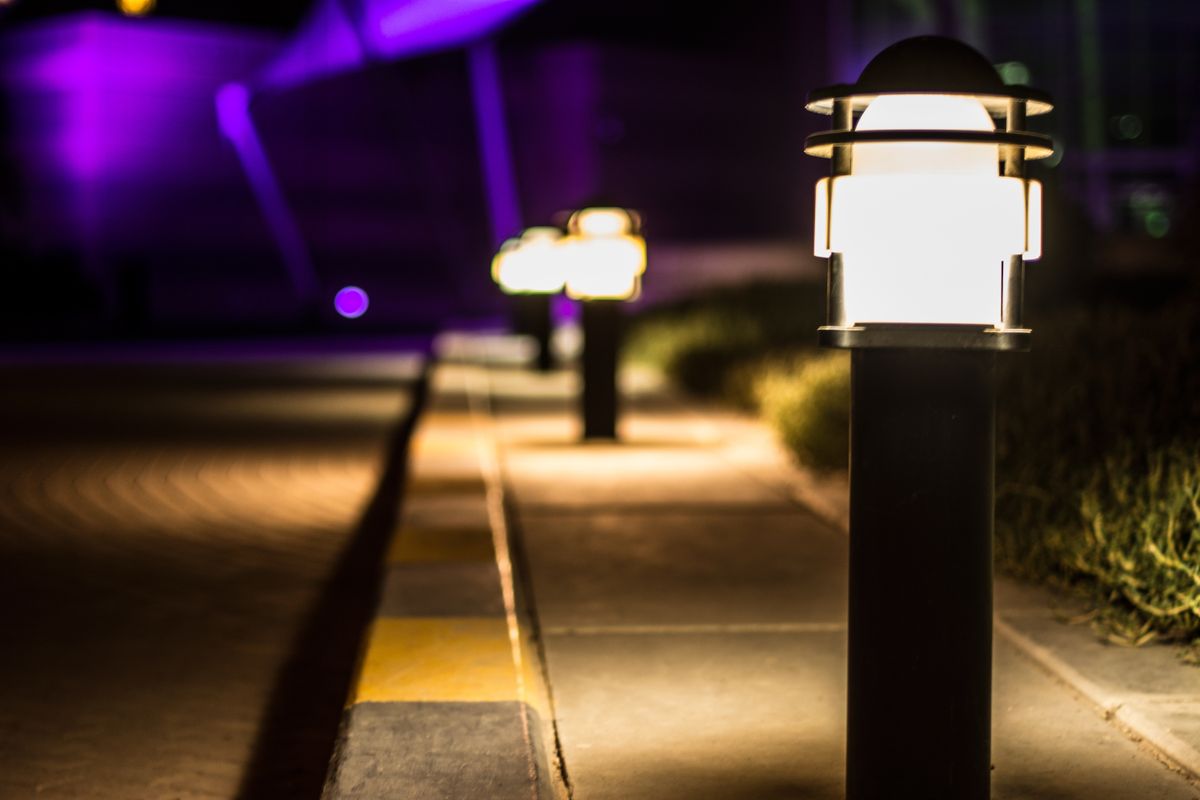
- Where to Install Outdoor DIY Solar Landscape Lighting
- The Art of Illumination Using Solar Lights for Perfect Landscaping
- The Best Solar Lights I've Tested So Far! | Linkind SP6 Smart ... - YouTube