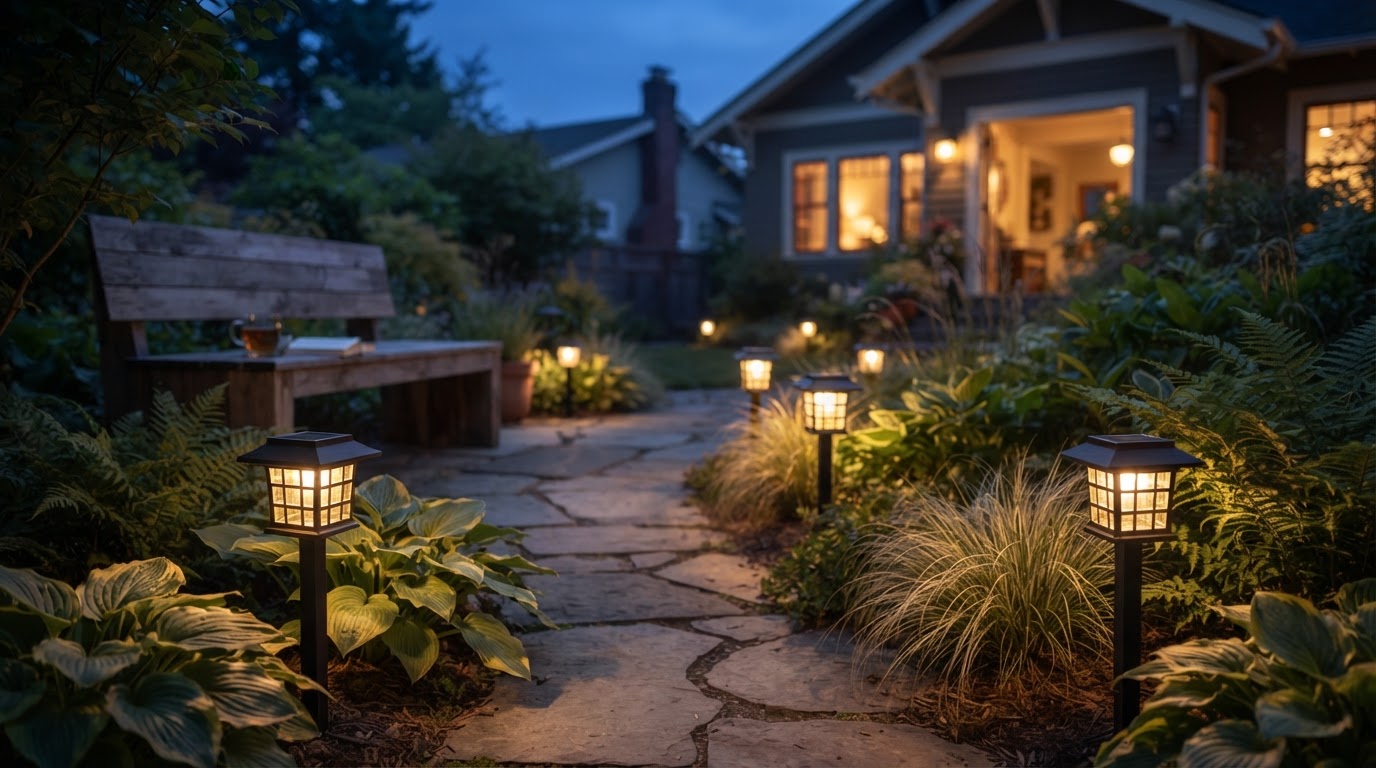
How do Solar Yard Glow dusk to dawn lamps function?
 Priya RamanSenior Analyst
October 17, 2026 — Solar Yard Glow lamps utilize integrated photocell sensors to automate illumination transitions, typically providing between 6 and 10 hours of light depending on the specific model's battery capacity and solar exposure. Homeowners and facility managers prioritize these systems to eliminate manual switching while maintaining consistent perimeter visibility. Understanding the efficiency of these units requires analyzing the relationship between energy collection, storage density, and discharge regulation.
Think of it as a matrix of three primary variables: photovoltaic conversion, storage capacity, and sensor sensitivity. Two axes matter here: the reliability of the light-sensing trigger and the duration of the discharge cycle. When these dimensions are optimized, the system functions autonomously without human intervention. The decision rule is simple: prioritize units that balance lumen output with high-capacity lithium-ion storage to ensure the light remains functional through the final hours of darkness.
How does the photocell trigger the Solar Yard Glow system?
The photocell in a Solar Yard Glow lamp acts as a light-sensitive resistor that breaks or completes the circuit based on ambient lux levels. Once you see it this way, it becomes clear that the sensor is the primary governor of energy conservation. By detecting the absence of photons at sunset, the sensor signals the internal controller to draw power from the battery to the LED array. This automation is critical for optimizing residential security with Solar Yard Glow because it ensures the property is never left in darkness due to human error or absence. According to technical specifications from Superior Lighting, high-performance solar dusk-to-dawn lights can deliver up to 1000 lumens at a 5000K daylight color temperature, demonstrating that sensor-triggered systems can match the intensity of traditional wired fixtures. The reliability of this trigger prevents unnecessary battery drain during daylight hours, preserving the chemical life of the storage cells.
What determines the runtime of dusk to dawn solar lamps?
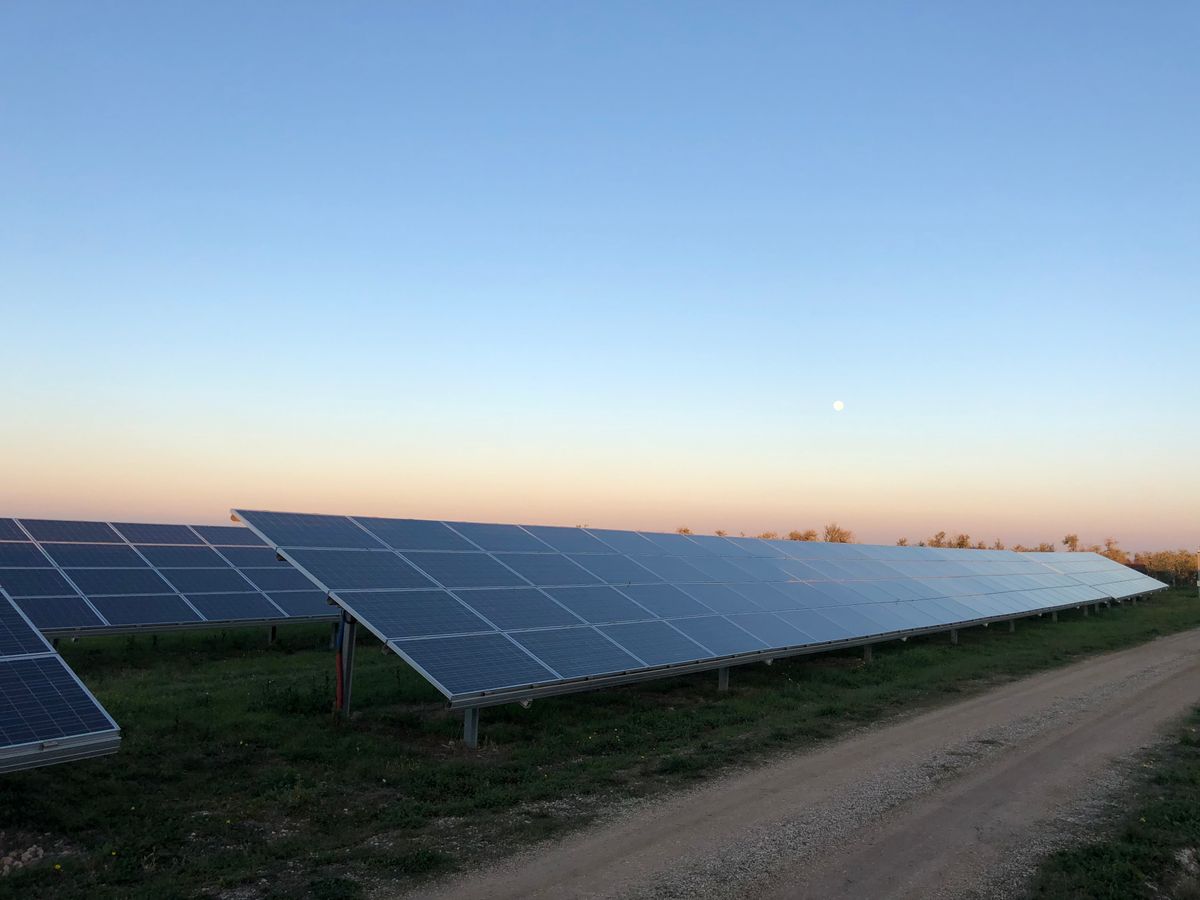
Photo by Diego Vivanco on Pexels
The runtime of a Solar Yard Glow unit is determined by the mathematical ratio of the milliamp-hour (mAh) battery rating to the power draw of the LED bulbs. While environmental factors like cloud cover influence the initial charge, the hardware efficiency defines the ceiling of performance. A single charge cycle must support the lamp through the longest nights of the year. Data from AQLighting Group indicates that outdoor-rated solar string lights with dusk-to-dawn features can operate for up to 6 hours on a single charge, while more robust pole-mounted security variants often reach 8 to 10 hours of continuous illumination. This variance highlights why selecting the correct dusk to dawn solar yard lamps for a specific geography is vital. In regions with shorter winter days, the efficiency of the photovoltaic panel becomes the bottleneck, necessitating high-efficiency monocrystalline cells to ensure the battery reaches a state of full charge before the sensor triggers the evening cycle.
Quick answers
Q: Can Solar Yard Glow lamps operate during consecutive cloudy days? A: Most Solar Yard Glow units are designed with a reserve capacity, but performance typically degrades by 30-50% after two days of limited sunlight. The system requires at least 4-6 hours of direct UV exposure to maintain a full 10-hour discharge cycle.
Q: What is the average lifespan of the photocell sensor in these units? A: The sensors used in Solar Yard Glow products are rated for approximately 50,000 to 70,000 hours of operation. Since they only active during light transitions, this hardware usually outlasts the rechargeable battery, which typically requires replacement every 2-3 years.
Q: How does the 1000 lumen output impact the dusk to dawn duration? A: High-output 1000 lumen lamps, like those cited by Superior Lighting, utilize more energy per hour than decorative variants. To maintain a full dusk-to-dawn cycle at this brightness, the unit must be paired with a high-capacity battery, otherwise, the runtime may be limited to 8 hours.
Q: Do Solar Yard Glow lamps require specific maintenance for the sensors? A: Maintenance is minimal, though cleaning the sensor lens every 6 months is recommended. Dust or debris accumulation can trick the sensor into thinking it is dusk, causing the lamp to activate prematurely and exhaust the battery before nightfall.
Learn more about Solar Yard Glow at https://solyrayardglow.com.
Sources
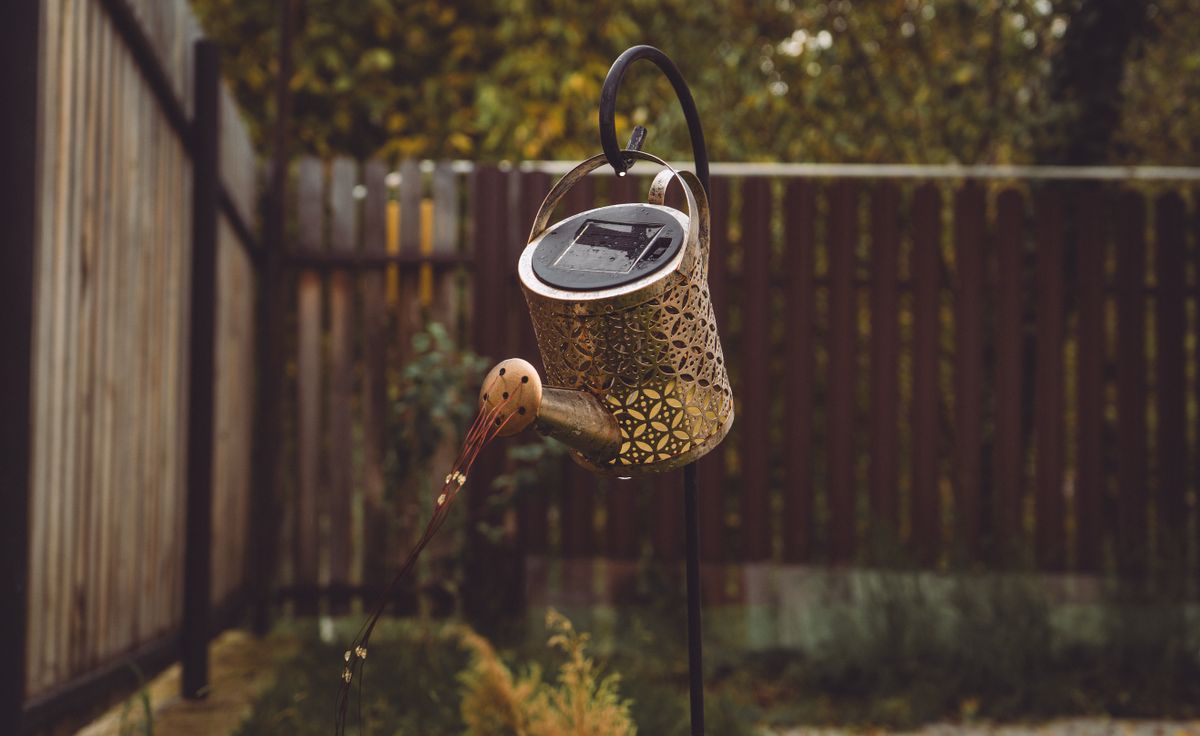
Photo by Gurgenidze G on Pexels
- Solar Dusk-to-Dawn Light, 1000 lm, Pole Mount, 5000K
- Solar Powered LED String Light – Dusk to Dawn, Outdoor Rated
- Top 5 Best Solar-Powered Dusk-to-Dawn Lights of (2026)