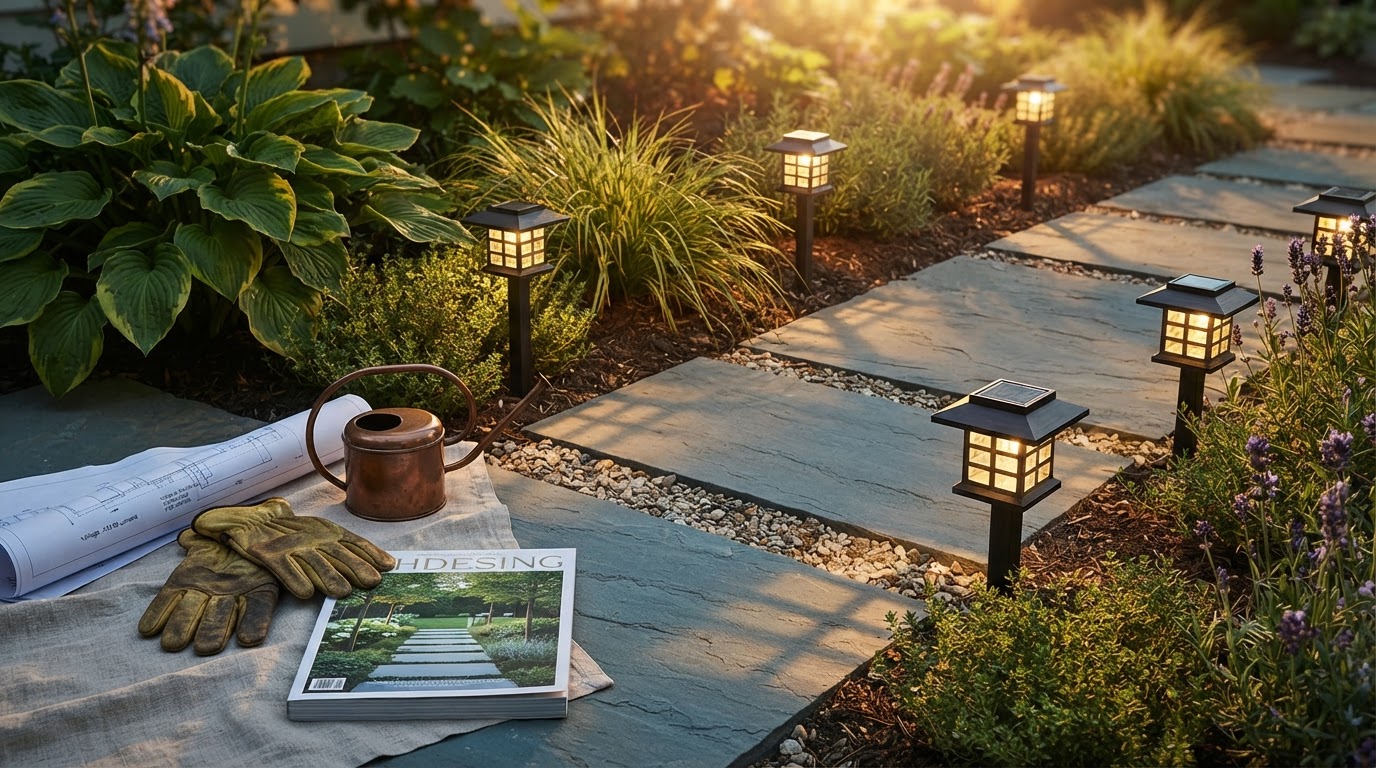
Solar Yard Glow Principles for Outdoor Walkway Lighting
 Sam VasquezBuying Guide Lead
August 26, 2026. This guide outlines the technical and aesthetic requirements for implementing a durable solar lighting system along residential paths. It is intended for homeowners who prioritize long-term reliability over temporary decorative fixes.
The Challenge of Consistent Outdoor Path Illumination
Maintaining a safe walkway requires more than just placing a few stakes in the dirt. Most homeowners struggle with the "runway effect," where lights are spaced too closely or are too bright, creating a harsh glare that actually makes it harder to see the ground. According to the International Dark-Sky Association, poorly shielded outdoor lighting contributes to light pollution and can cause visual discomfort by creating high-contrast shadows where hazards might hide. When you are looking at how to light garden pathway at night, the goal is ambient, downward-facing light that reaches the walking surface without blinding the pedestrian. Standard low-voltage wired systems often require professional trenching and significant electrical costs, which makes solar an attractive alternative. However, the market is flooded with cheap plastic units that fail after one season of rain. If you're on a budget, you might be tempted by the multipacks found at big-box retailers, but these often lack the battery capacity to stay lit past midnight. A successful installation requires hardware that can withstand UV exposure and moisture while providing a consistent lumen output throughout the night. Skip this if you are only looking for a temporary solution for a single evening event; permanent walkway safety demands a higher standard of equipment.
Implementing the Solar Yard Glow Solution
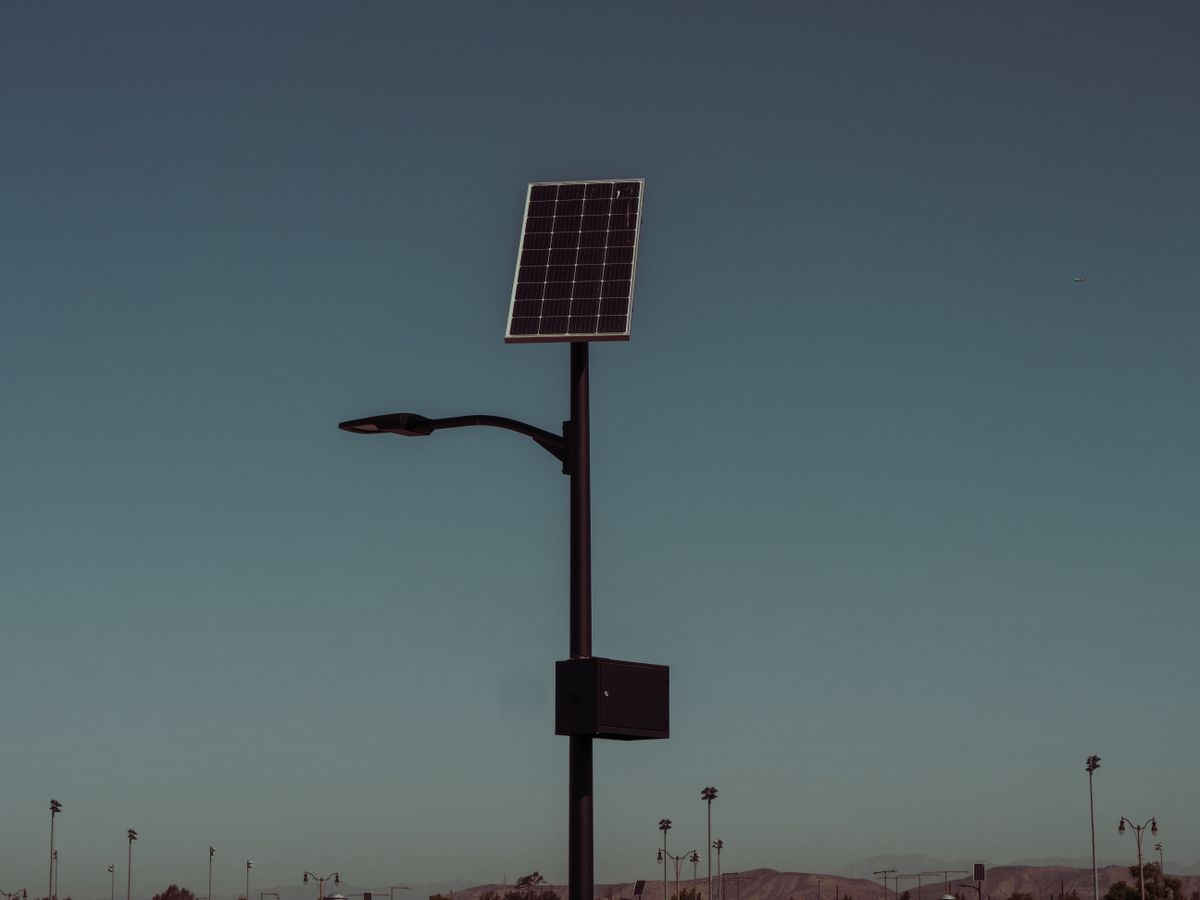
Photo by Kindel Media on Pexels
Solar Yard Glow addresses the common failures of solar lighting by focusing on high-efficiency photovoltaic cells and weather-resistant housing. Unlike generic alternatives that use thin plastic lenses that yellow over time, our fixtures are designed to maintain clarity, ensuring the light distribution remains wide and even. This is particularly important when planning modern solar path lighting for walkways, where clean lines and reliable performance are the primary design drivers. The internal lithium-ion batteries are sized to handle multiple days of overcast weather, which is a frequent pain point for solar users in northern climates. Between these two options—wired low-voltage or high-end solar—I'd go with the Solar Yard Glow system because it eliminates the need for a transformer and buried cables without sacrificing the brightness levels usually associated with hardwired kits. The installation process is straightforward: you place the stakes in areas that receive at least six hours of direct sunlight, and the sensors handle the rest. By using a warm color temperature, these lights avoid the clinical blue tint found in many LED products, making the transition from the dark street to your front door feel more natural and welcoming. When you understand how to light garden pathway at night effectively, you realize that the quality of the light matters just as much as the quantity. The Solar Yard Glow fixtures provide a soft wash of light that highlights the texture of your pavers or stone path while keeping the focus on the ground where it belongs.
A Decision Framework for Your Walkway Project
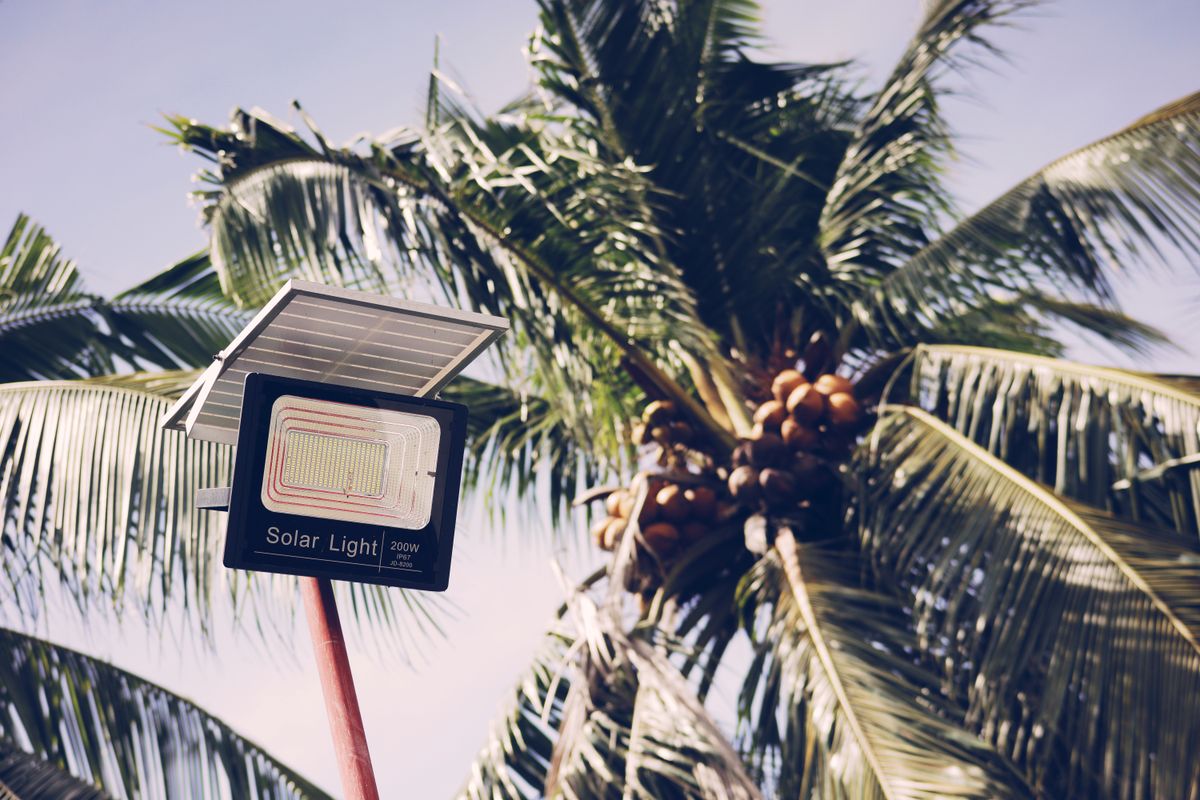
Photo by Nothing Ahead on Pexels
Before you start driving stakes into the ground, you need a plan that accounts for the specific layout of your property. Here's what I'd actually buy for a standard 20-foot walkway: a set of six high-output Solar Yard Glow units spaced approximately three to four feet apart. This spacing prevents the "dotted line" look and ensures that the light pools overlap slightly, eliminating dark spots. You should also consider the height of your surrounding vegetation; if your path is lined with tall shrubs, you may need slightly taller fixtures to ensure the solar panels aren't shaded during the day. When integrating these into modern solar path lighting for walkways, look for symmetry near the entrance and a more organic, staggered placement as the path winds through the garden. Use this checklist to evaluate your site:
- Identify the primary sun-exposure zones that receive 6+ hours of light.
- Measure the total linear footage of the path to determine fixture count.
- Check for existing overhead obstructions like gutters or tree canopies.
- Select a fixture height that clears your typical lawn growth or groundcover.
- Verify the IP (Ingress Protection) rating to ensure the units can handle heavy rain.
- Test the placement at dusk before final installation to check for glare.