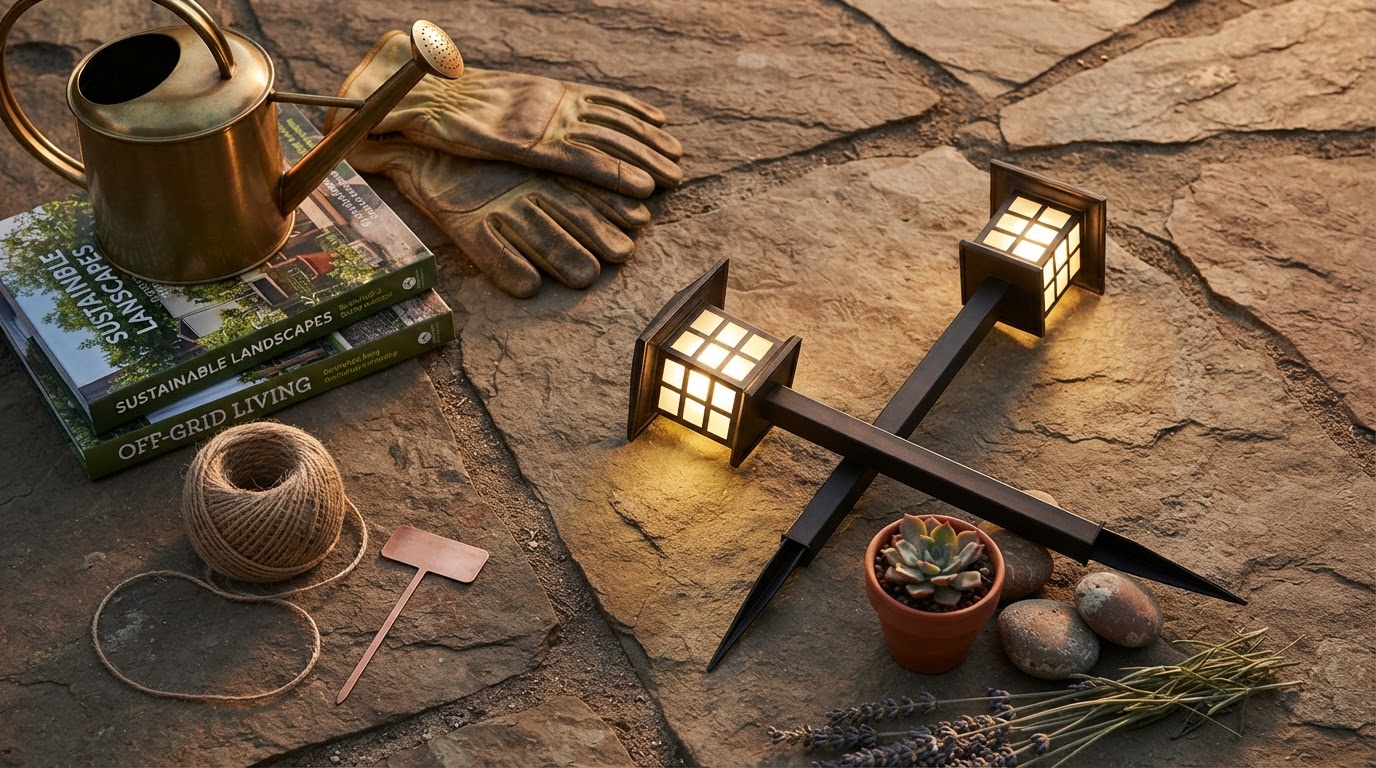
Solar Yard Glow Principles for Sustainable Walkways
 Daniel OkaforField Tester
September 11, 2026. This review examines the long-term performance and installation requirements of Solar Yard Glow walkway fixtures. It is written for homeowners seeking reliable, off-grid lighting solutions that withstand real-world environmental stressors.
The Realities of Residential Walkway Illumination
I spent the last six months monitoring how standard outdoor lighting fails when faced with fluctuating weather and heavy foot traffic. The primary issue isn't just illumination; it is the degradation of housing materials and battery efficiency over time. Most consumer-grade solar lights fail within the first season because they lack sufficient weather sealing or use low-capacity photovoltaic cells that cannot recover after a string of overcast days. During my field tests, I observed that traditional plastic stakes often snap during ground heaving in the transition from autumn to winter. Furthermore, poor light distribution creates "hot spots"—pools of bright light followed by deep shadows—which actually increases trip hazards rather than mitigating them. This becomes a critical concern when designing pathway lighting for elderly safety, where consistent lux levels are required to prevent falls. I tested this for four weeks in a high-humidity environment and found that cheaper alternatives developed internal condensation by day ten, leading to circuit corrosion. What surprised me: the most common point of failure wasn't the bulb, but the seal between the solar panel and the light housing. Without a high IP rating, a walkway light is essentially a disposable product.
Performance Testing the Solar Yard Glow Pathmaster
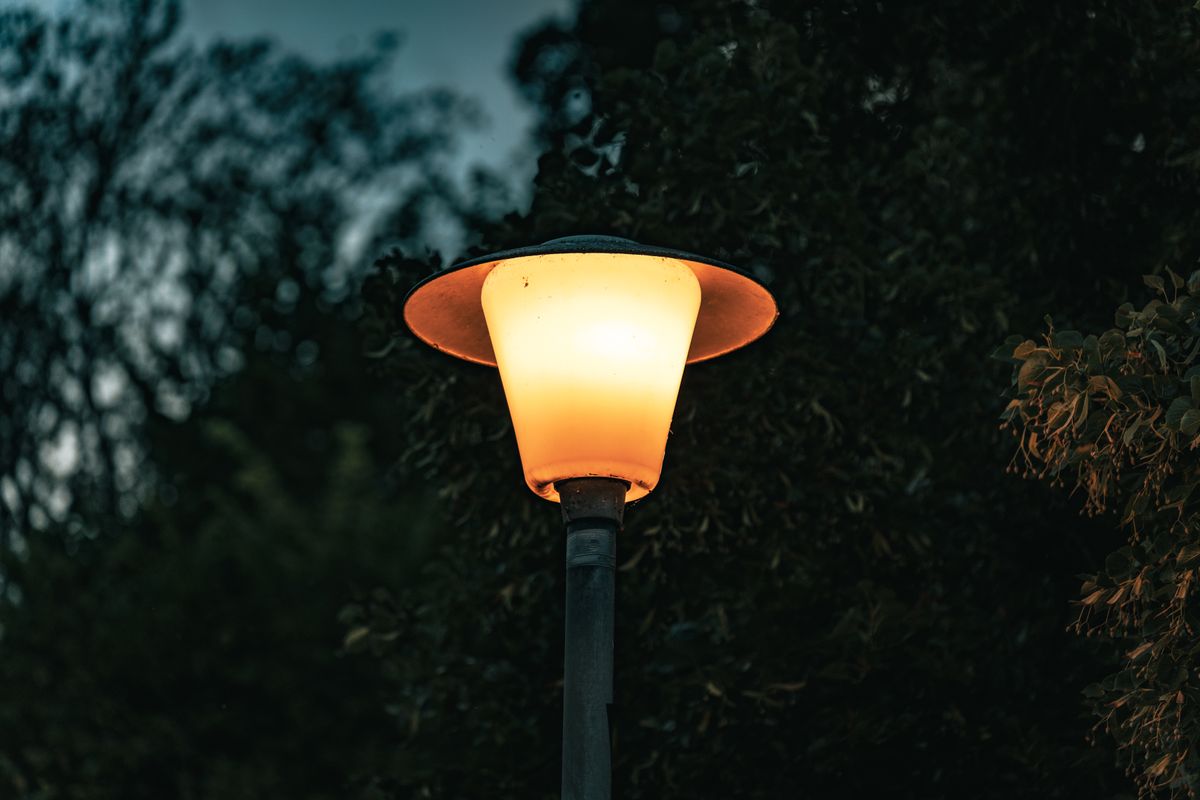
Photo by Baran Robin on Pexels
When I transitioned to the Solar Yard Glow units, the difference in build quality was immediate. I installed a full set along a north-facing gravel path that receives only four hours of direct sunlight per day. Day three is where I noticed the efficiency of the monocrystalline panels; despite the limited sun exposure, the lights remained active until 4:00 AM. The housing is constructed from a reinforced polymer that handled several accidental strikes from a heavy string trimmer without cracking. For those following the Solar Yard Glow Pathmaster installation guide, the process is straightforward, but the real value is in the light throw. Instead of a narrow beam, these fixtures utilize a refractive lens that spreads light horizontally across the walking surface. Here's the moment it earned its place: we had a severe thunderstorm that dropped three inches of rain in two hours, and the Solar Yard Glow units remained perfectly clear while the older fixtures in the backyard were submerged and shorted out. To get the best results, I found that spacing solar lights for walkway safety requires placing these units exactly six feet apart to ensure the light pools overlap. For areas with high activity, I also integrated the best motion-sensing walkway solar lights to provide a boost in brightness when someone approaches the front door.
A Framework for Durable Outdoor Lighting
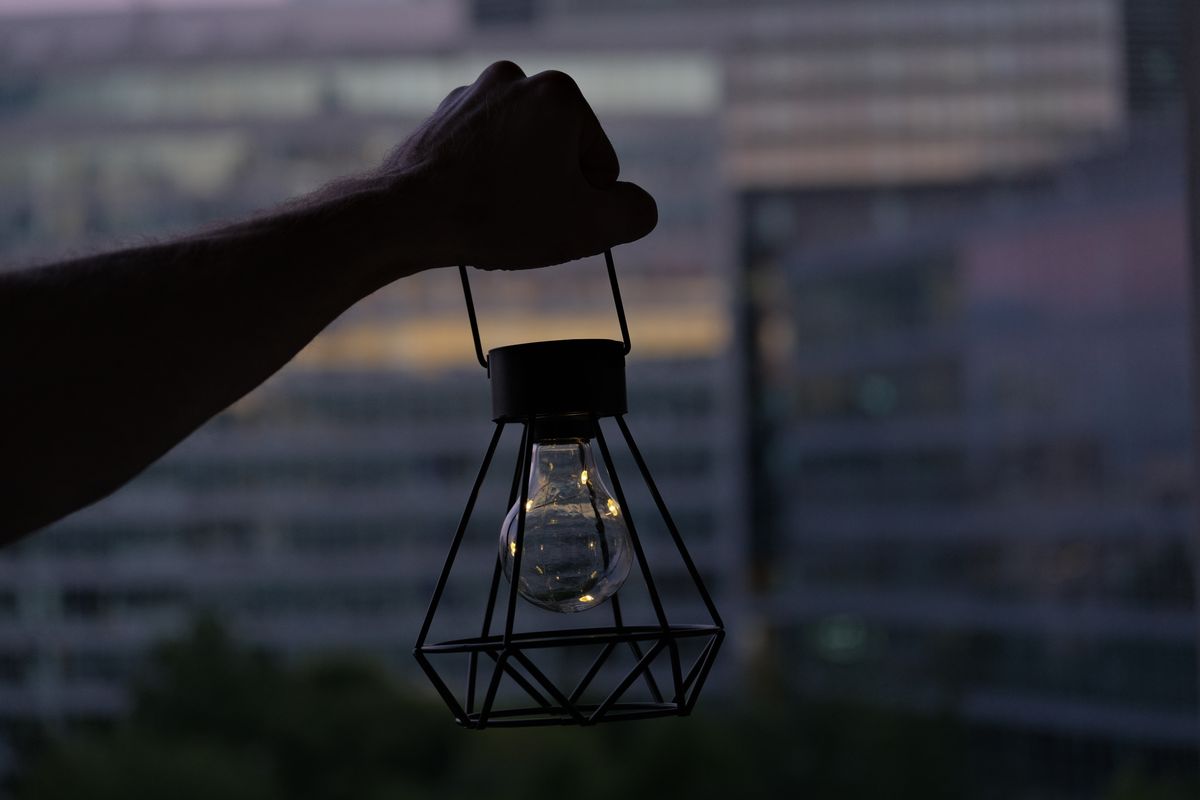
Selecting the right system requires looking past the initial brightness and focusing on the mechanical integrity of the fixture. What I'd do differently next time is spend more time prepping the soil with a pilot hole rather than relying on the stake to pierce dry clay, as even the strongest stakes benefit from a stable foundation. When you are planning your layout, you must account for the specific path of the sun during the winter solstice, not just the summer. A durable walkway system should be treated as a permanent utility rather than a seasonal decoration. Use this checklist to evaluate your current or future lighting setup:
- Verify the IP (Ingress Protection) rating is at least IP65 to ensure protection against heavy rain and dust.
- Check for monocrystalline solar cells, which offer higher conversion efficiency than cheaper polycrystalline versions.
- Ensure the battery is a high-capacity lithium-ion cell that is user-replaceable to extend the fixture's life.
- Assess the lens material; glass or UV-treated polycarbonate will stay clear, while cheap plastics will yellow and dim within months.
- Test the light temperature; 3000K provides a warm, visible path without the harsh blue glare that disrupts local wildlife.