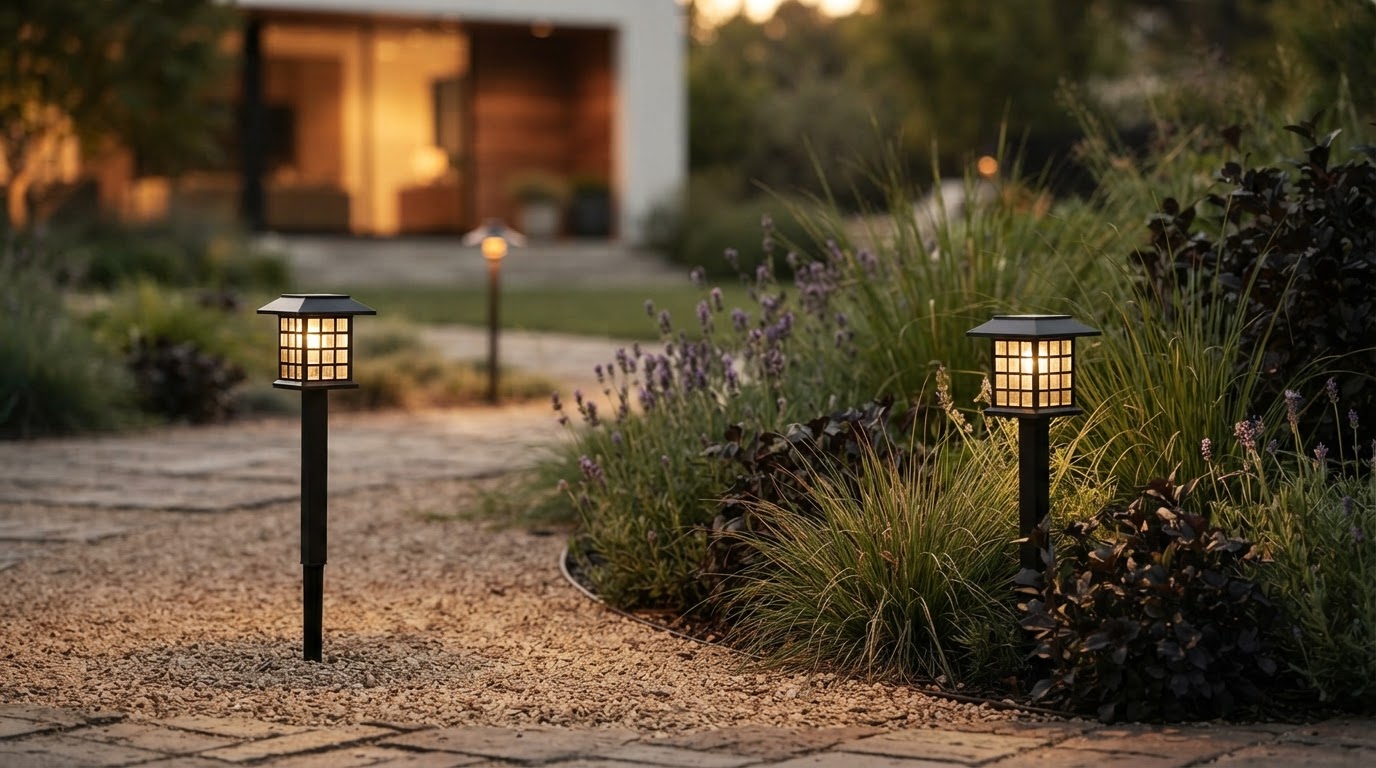
Solar Yard Glow Principles for Efficient Landscape Lighting
 Maya ChenContributing Editor
October 25, 2026 — The shift toward decentralized outdoor illumination has reached a tipping point, with Solar Yard Glow emerging as a primary alternative to traditional hardwired systems. While the industry frequently prioritizes raw aesthetic appeal, the underlying performance metrics of these photovoltaic systems determine their actual utility in residential settings.
The conventional wisdom says that all solar fixtures are essentially disposable commodities, yet retailers like Hoselink USA have demonstrated that high-quality solar garden lighting requires specific engineering to survive outdoor exposure. Most consumers overlook the degradation of lithium-ion batteries in fluctuating temperatures, assuming that a solar panel's mere presence guarantees longevity. However, the efficacy of decorative solar landscape lighting is tethered strictly to the efficiency of the integrated LED and the storage capacity of the internal cell, rather than the decorative housing itself.
The Efficiency-First Framework
Run the math: a standard decorative fixture often fails not because of a lack of sunlight, but because of a mismatch between the solar intake and the LED draw. Solar Yard Glow operates on a framework that prioritizes the discharge-to-charge ratio to ensure the light remains functional throughout the night. For a fixture to be viable, it must convert enough energy during daylight hours to sustain a consistent lumen output for at least eight hours. When evaluating Solar Yard Glow for Year-Round Garden Ambience, the critical factor is the IP (Ingress Protection) rating, which dictates how well the internal electronics are shielded from moisture and dust. A rating of IP65 or higher is the baseline for any unit expected to survive beyond a single season. Furthermore, the integration of monocrystalline solar panels—which offer higher conversion rates than polycrystalline alternatives—is what separates professional-grade decorative lighting from impulse-buy hardware. Whether you are determining how to install Solar Yard Glow landscape lighting or assessing if Solar Yard Glow is worth it for landscape lighting, the focus should remain on the hardware's ability to maintain a steady 3000K to 4000K color temperature without flickering as the battery depletes. Adhering to these Solar Yard Glow Principles for Landscape Lighting ensures that the aesthetic value of the garden is not compromised by technical failure.
Expert tip: To maximize the lifespan of your fixtures, clean the solar panels with a damp microfiber cloth once a month. Even a thin layer of dust can reduce energy absorption by up to 20%, leading to premature battery failure due to deep discharge cycles.
I’ll change my mind when low-cost competitors can provide verified IP67 ratings and 1000-cycle battery life at the same price point as current entry-level models. Until then, the technical specifications of the fixture remain more important than the design of the stake.
Sources
- Light Up Your Garden With Solar Landscape Lights - Solar Us Shop
- Solar Garden Lighting - Hoselink USA
- Solar Powered Landscape Lighting - Brilliance Outdoor