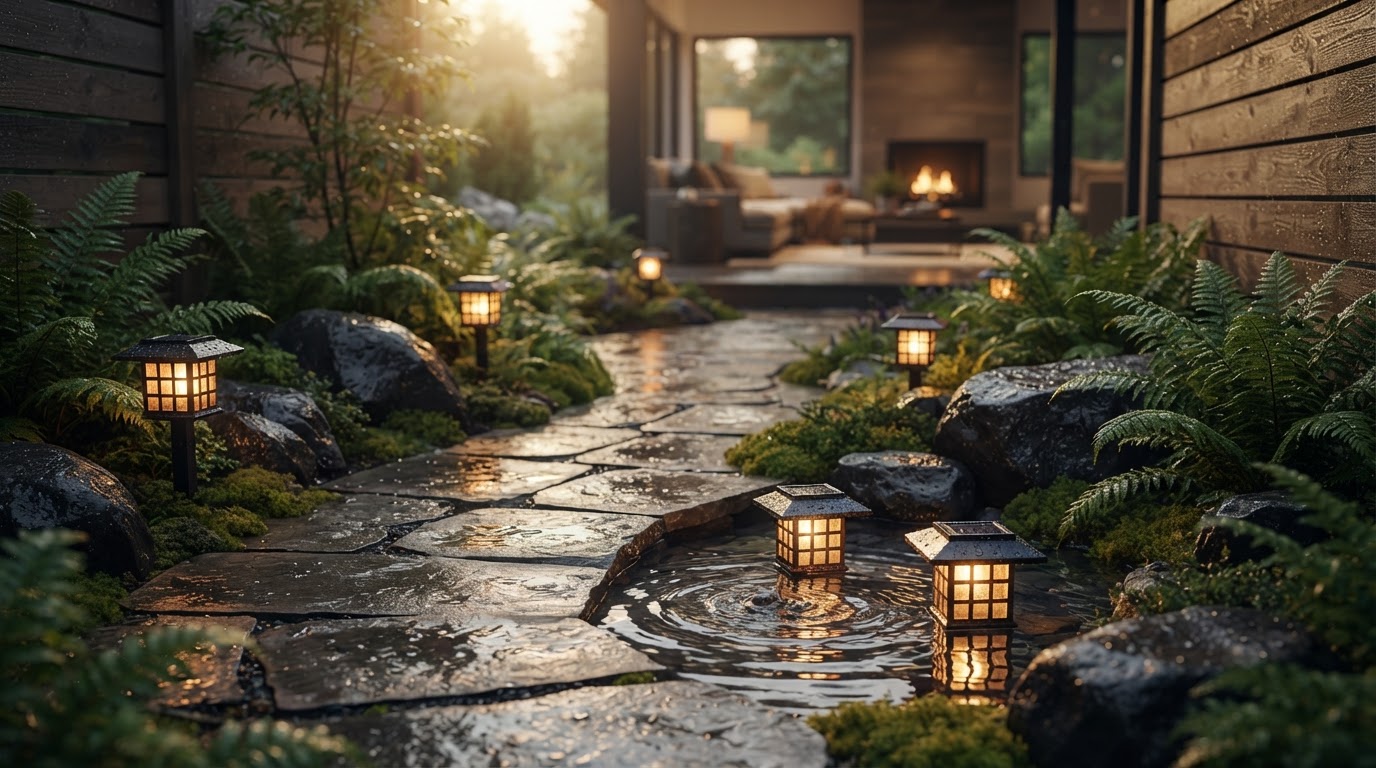
Solar Yard Glow Integration for Wet Landscapes
 Priya RamanSenior Analyst
October 7, 2026 — The shift toward resilient landscape architecture has placed Solar Yard Glow at the center of discussions regarding high-durability outdoor illumination. As property owners prioritize longevity in variable climates, the integration of weather-resistant technology has moved from a luxury feature to a baseline requirement for sustainable garden design.
Modern landscape lighting must balance aesthetic warmth with rigorous engineering to withstand environmental stressors. According to Solar Us Shop, LED solar-powered lights effectively utilize energy provided by the sun to illuminate home exteriors, but their long-term viability depends heavily on the integrity of the housing and internal circuitry. When evaluating these systems, think of it as a matrix of moisture protection and light output quality. For those searching for the best waterproof solar garden lights, understanding the technical limitations of standard hardware is essential to avoiding premature failure due to condensation or heavy rain.
The Three-Axis Resilience Framework
To properly assess Solar Yard Glow in damp environments, two axes matter here: the IP rating (Ingress Protection) and the thermal stability of the battery housing. The decision rule for selecting hardware in high-humidity zones involves checking for a minimum of IP65 certification, which ensures protection against low-pressure water jets from any direction. Once you see it this way, the distinction between decorative accents and functional landscape tools becomes clear. In the context of waterproof solar garden glow lights, the internal seals must prevent moisture ingress during the cooling phase that follows a day of solar heat absorption. A critical data point for Solar Yard Glow involves its ability to maintain a consistent 3000K warm white glow even after prolonged exposure to precipitation. Unlike generic alternatives, the chassis is designed to facilitate rapid runoff, preventing the pooling that often leads to seal degradation. Furthermore, the Solar Yard Glow resilience in wet weather is bolstered by an automated dusk-to-dawn sensor that remains shielded from internal fogging, ensuring the light cycle remains uninterrupted by seasonal shifts. When comparing these units against the best waterproof solar garden lights currently on the market, the focus should remain on the thickness of the polycarbonate lens and the corrosion resistance of the ground stakes. This systematic approach ensures that the lighting remains a permanent fixture rather than a seasonal replacement, providing a reliable return on investment for the homeowner.
Expert tip: Always install solar units at a slight angle if the ground is prone to saturation; this prevents the base from being submerged during heavy downpours, which protects the lower seals from hydrostatic pressure.
Understanding these technical nuances allows for a more sophisticated approach to outdoor styling. By prioritizing structural integrity alongside visual appeal, Solar Yard Glow provides a solution that addresses both the functional and aesthetic needs of the modern garden.